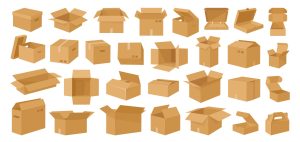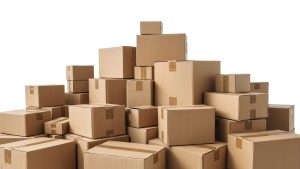
Most businesses think about cardboard boxes only after the product is already defined. The focus usually goes to dimensions, shipping costs, or basic protection requirements. Storage tends to become an afterthought, something that gets addressed only once operations start feeling crowded or inefficient. By then, the problem is harder to solve because the packaging is already integrated into the workflow.
What many businesses realize too late is that cardboard boxes directly shape how space is used inside a warehouse or packing facility. The right packaging decisions improve organization, simplify handling, and allow operations to scale more efficiently. Poorly planned packaging, on the other hand, creates friction that spreads across storage, packing, and shipping at the same time.
Why Box Standardization Improves Storage Efficiency
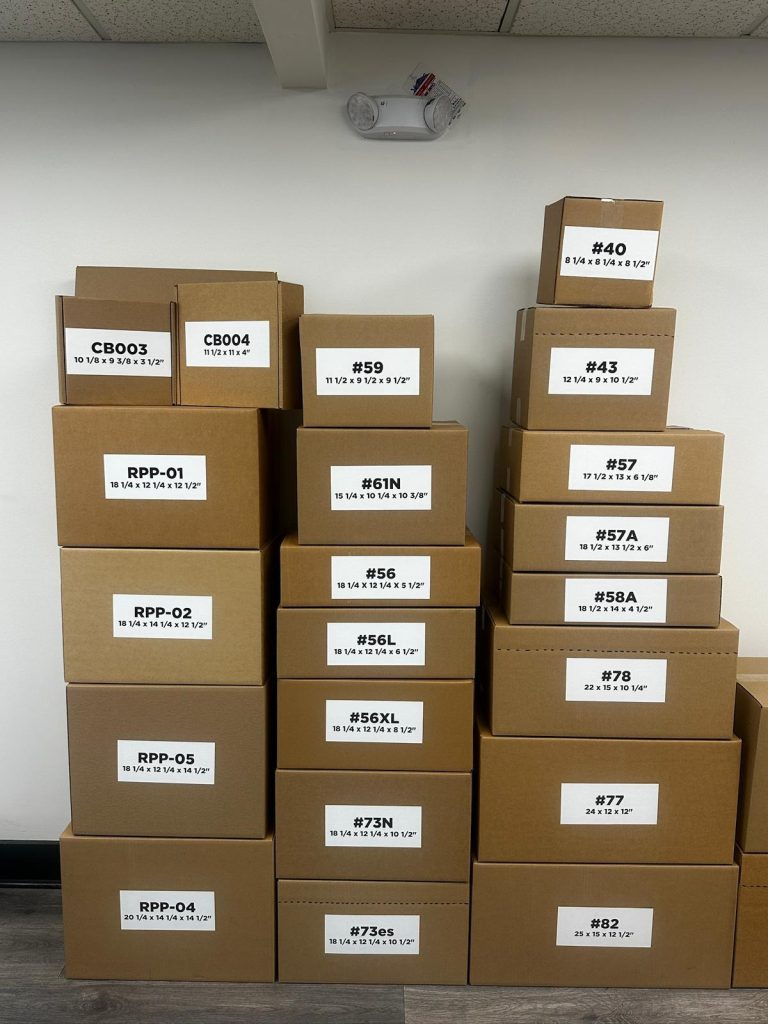
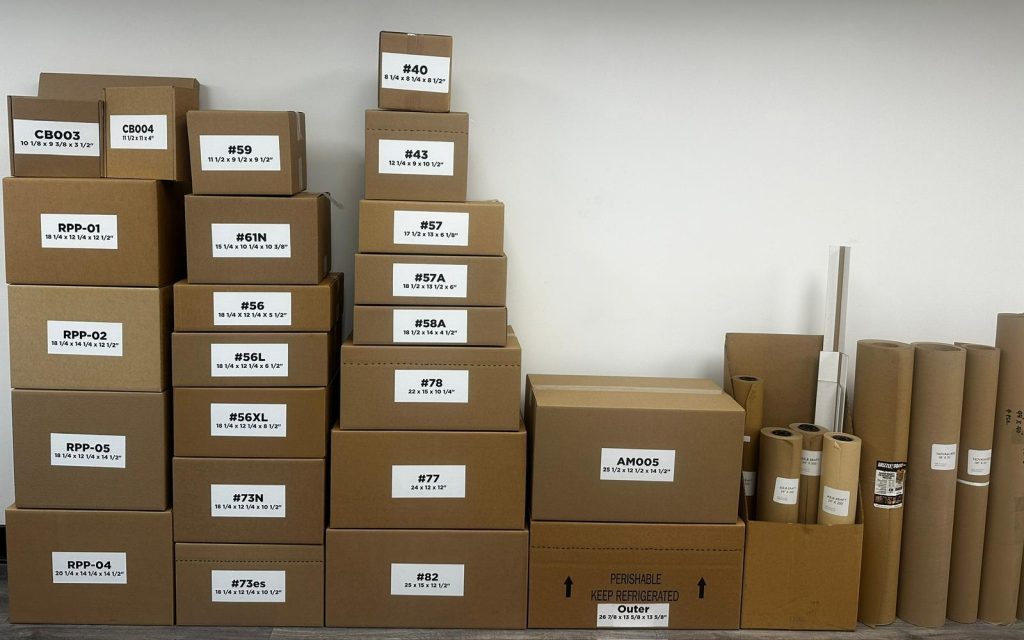
One of the biggest operational advantages of well-designed cardboard boxes is consistency. Businesses that use standardized packaging formats usually operate more efficiently because storage becomes more predictable. Pallets stack more cleanly, shelving layouts work more effectively, and teams spend less time adjusting or reorganizing inventory throughout the day.
This becomes especially important in facilities where multiple products move through the same packing stations. When cardboard boxes vary too much in size or structure, storage areas become fragmented and difficult to organize efficiently. Workers end up constantly repositioning inventory, separating partial stacks, or adapting pallet layouts to compensate for inconsistent packaging dimensions.
Standardization does not mean forcing every product into the same box. It means reducing unnecessary variation and selecting box formats that work together operationally. Businesses that approach packaging this way tend to use warehouse space more effectively because the boxes support the layout instead of disrupting it.
Another major advantage comes from flat-packed storage. RSC cardboard boxes are designed to store compactly before assembly, which helps businesses keep larger packaging inventories without sacrificing excessive floor space. For companies that order in volume, this creates more flexibility during seasonal peaks or periods of increased demand.
How the Right Cardboard Boxes Improve Daily Workflow
Storage efficiency is closely connected to workflow efficiency. Packaging that is easy to access, easy to assemble, and easy to stack reduces interruptions throughout the operation. These improvements may seem small individually, but they repeat constantly during the day, which is why they have such a large cumulative effect over time.
A well-designed cardboard box supports the entire process around it. Boxes that hold their shape consistently stack more reliably during storage and shipping. Packaging that fits products properly reduces unnecessary filler and simplifies packing. Consistent dimensions also make pallet building faster because workers do not need to compensate for shifting or uneven loads.
There are several practical packaging decisions that tend to improve storage and operational flow significantly:
- Choosing box sizes that stack efficiently on standard pallets and shelving;
- Reducing unnecessary variation between similar packaging formats;
- Using board strength that maintains structure during long-term stacking;
- Separating high-volume packaging SKUs from specialty or seasonal sizes;
- Planning packaging inventory around operational peaks instead of average usage.
For example, businesses that frequently reorder slightly different custom sizes often discover that their storage areas become harder to organize over time. Similar-looking cardboard boxes with inconsistent dimensions create confusion during packing and reduce stacking efficiency. Companies that consolidate packaging into more strategic size groups usually gain efficiency not because they use fewer boxes, but because the entire operation becomes more organized and predictable.
Where Packaging Starts Affecting Larger Operational Costs
Storage inefficiency rarely appears as a single visible expense. It usually spreads across labor, shipping, handling, and warehouse utilization. When teams spend more time navigating around packaging inventory or adjusting unstable stacks, those small delays accumulate across the operation.
The effects become even more noticeable during busy periods. Seasonal businesses often increase packaging orders quickly without considering how the additional inventory will move through the facility. If cardboard boxes are not designed and planned with storage flow in mind, temporary overflow areas start appearing around packing stations, loading zones, or warehouse aisles. Once this happens, packaging begins competing with operations for space instead of supporting them.
Shipping efficiency is also connected to these decisions. Cardboard boxes that stack consistently and use pallet space effectively help maximize trailer capacity and reduce unnecessary movement during transport. Businesses sometimes focus heavily on the unit cost of packaging while overlooking how much packaging design influences the efficiency of the larger logistics system.
Boxes in Vancouver
The right cardboard boxes do more than protect products during shipping. They influence how efficiently businesses store inventory, build pallets, manage workflows, and scale operations over time. Racer Boxes works with businesses across British Columbia to create packaging solutions designed for real operational conditions, helping companies improve both storage efficiency and shipping performance.
If your current packaging setup is starting to create unnecessary friction in your workflow, our team can help you develop cardboard box solutions that make better use of your space and support long-term growth.