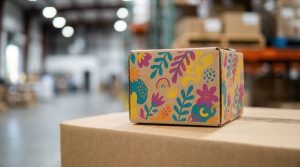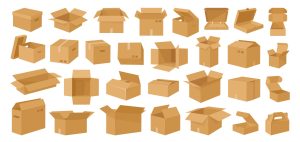
Every seasonal business thinks the difficult part will be demand. Then peak season arrives and the real problem becomes cardboard boxes. Not because there are no boxes, but because the wrong ones are in the wrong place, the correct ones are buried behind overflow inventory, and the warehouse suddenly feels half its original size even though nothing physically changed.
You see this constantly in seasonal industries around British Columbia. Blueberry farms in Langley experience it during harvest season. Garden centers run into it every spring. Holiday gift companies in Richmond and Burnaby discover it every November when promotional orders spike all at once. The businesses that struggle are rarely the ones with the least inventory. Usually, they are the ones that treat packaging like background inventory instead of something that actively shapes workflow.
Why Seasonal Businesses End Up Drowning in Their Own Packaging
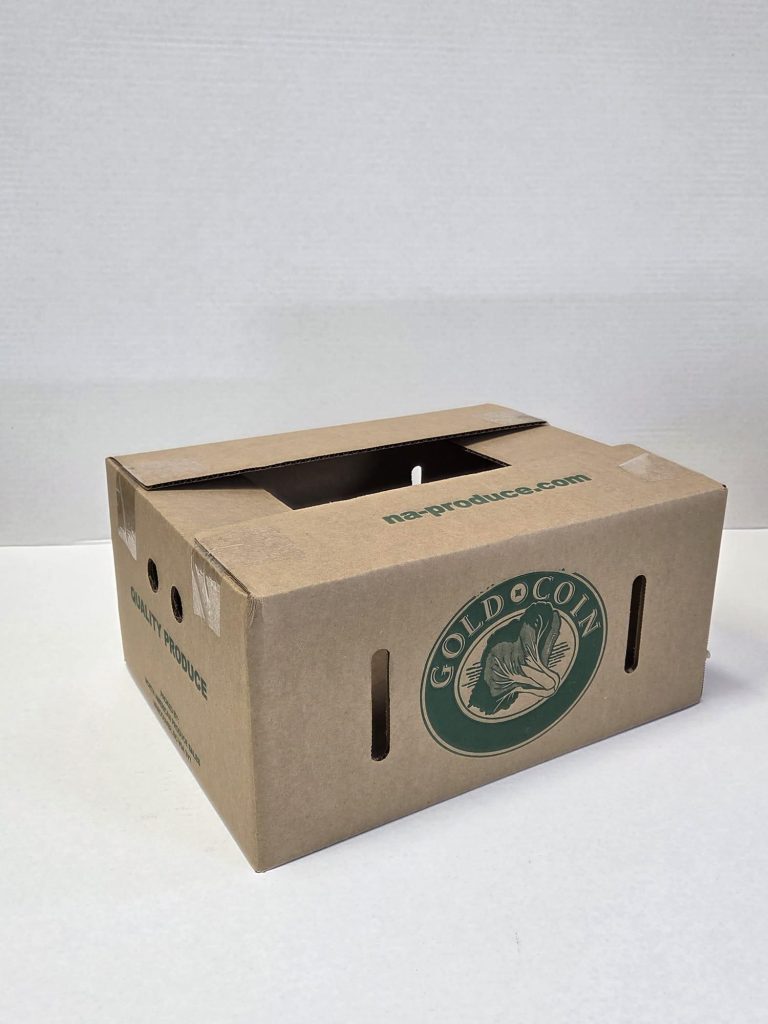
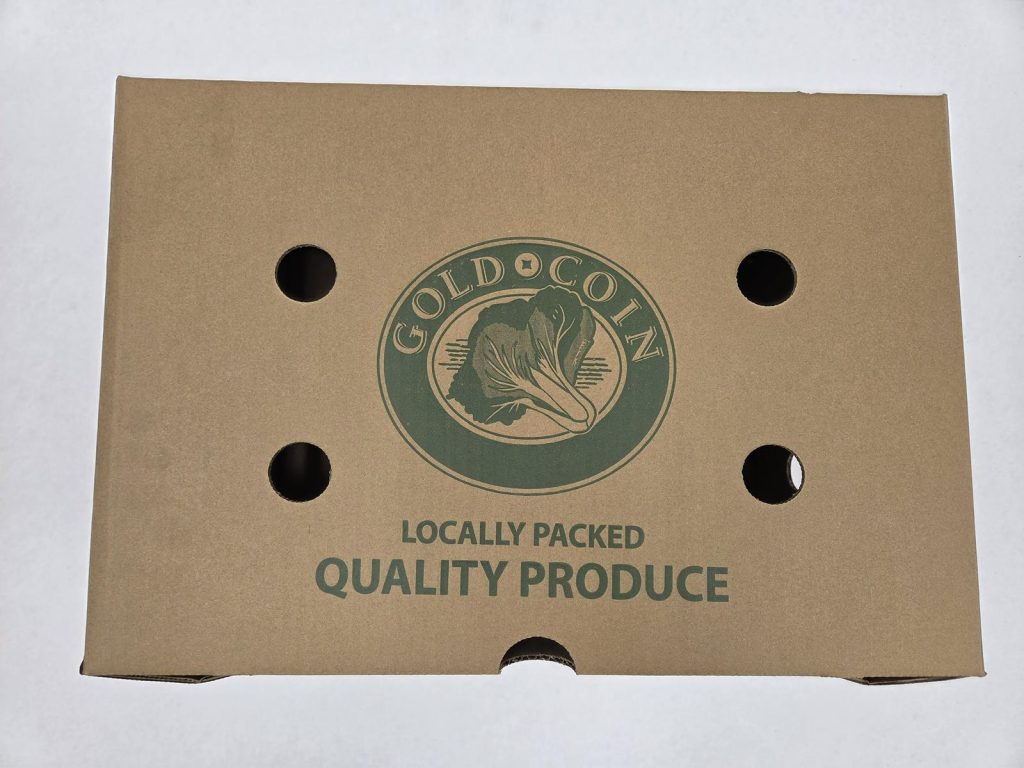
One of the most common problems appears when businesses order packaging too early without thinking about how long those cardboard boxes will physically occupy the warehouse. A blueberry farm may place a large produce box order in April to avoid shortages during July harvest. At first, this looks smart. Then crop timing shifts slightly, inventory arrives later than expected, and suddenly thousands of flat-packed produce cartons are taking over staging space for months before peak season even starts.
The opposite mistake is just as damaging. We have seen seasonal food businesses wait too long because they wanted to “stay flexible,” only to start improvising halfway through peak season. The correct cardboard boxes run out faster than forecasted, so the warehouse begins using substitute sizes temporarily. That temporary solution quickly spreads through the operation. Packing stations slow down because products no longer fit cleanly. Pallets stop stacking evenly because the replacement cartons compress differently under weight. Shipping costs quietly increase because oversized cardboard boxes create wasted trailer space during the busiest weeks of the year.
The frustrating part is that these issues usually begin with decisions that felt reasonable at the time. Nobody intentionally creates a chaotic packaging system. It happens gradually because seasonal businesses tend to solve packaging problems reactively instead of structurally.
The Real Problem Usually Starts Around Week Three
The first week of peak season rarely exposes operational weaknesses. Most teams are still organized, inventory is still where it belongs, and temporary workarounds still feel manageable. Problems usually start appearing later, once the warehouse has been operating under pressure continuously.
This is where packaging systems quietly begin collapsing. Workers stop reorganizing inventory because speed matters more than structure. Overflow cardboard boxes start occupying loading areas because nobody has time to relocate them properly. Similar-looking SKUs get mixed together because replenishment happens too quickly to maintain organization. By the third or fourth week, the warehouse often feels heavier and slower even though everyone inside it is working harder.
A holiday gift packaging company can feel this very quickly during November rushes. One extra emergency box size gets introduced because a supplier shortage forced a last-minute adjustment. Then another gets added for a rush order. Within days, packing teams are surrounded by multiple cartons that look nearly identical when stacked flat. Workers constantly pause to verify dimensions before packing because grabbing the wrong cardboard box creates repacking later. Those pauses seem insignificant individually. Across thousands of shipments, they quietly destroy packing efficiency.
The same thing happens with pallet stability. A produce operation may switch to substitute cartons during harvest because the original produce boxes sold faster than expected. The replacement boxes technically fit the product, but stack slightly differently. Suddenly pallets require more manual adjustment during loading, forklifts move more cautiously, and workers start compensating for instability all day without explicitly discussing it.
The Packaging Habits That Usually Create Seasonal Chaos
A few patterns tend to appear repeatedly in seasonal operations once packaging pressure starts building:
- Keeping too many cardboard box sizes that are only slightly different from one another;
- Storing the highest-volume packaging SKUs in hard-to-access warehouse areas;
- Ordering emergency substitute cartons without testing how they stack or palletize;
- Maximizing storage density so aggressively that replenishment becomes slow during busy weeks;
- Carrying leftover seasonal packaging from previous years that consumes valuable operational space;
- Using oversized cardboard boxes temporarily and then never fully switching back afterward.
These decisions rarely feel serious individually. The problem is how quickly they accumulate once order volume accelerates. Seasonal warehouses usually do not become inefficient because of one catastrophic mistake. They become inefficient because dozens of small packaging compromises begin interacting with each other simultaneously.
What Experienced Seasonal Operations Usually Do Differently
Businesses that handle seasonal growth well tend to simplify aggressively before the rush begins. Instead of adding packaging options reactively every year, they reduce unnecessary variation and focus on predictability. They understand that during peak season, operational speed depends heavily on reducing hesitation.
This usually means consolidating cardboard box sizes wherever possible, separating high-frequency packaging from backup inventory, and organizing replenishment around movement speed rather than storage density alone. One of the biggest differences between efficient seasonal warehouses and chaotic ones is how easily workers can access the packaging they touch most frequently.
We have seen garden centers improve spring operations simply by relocating their highest-volume cardboard boxes closer to packing stations instead of maximizing warehouse density. Technically, they stored fewer cartons in the same footprint afterward. Operationally, the warehouse moved faster because workers stopped wasting time navigating around secondary inventory every few minutes.
Another useful approach is stress-testing packaging systems before the season actually begins. Strong operators do not just evaluate whether a cardboard box fits the product. They test how quickly pallets can be replenished, how substitute sizes affect stacking behavior, and how packaging flows through the warehouse once multiple teams are moving simultaneously. Those problems are much cheaper to solve in advance than in the middle of a seasonal rush.
Boxes in Vancouver
Seasonal pressure exposes packaging weaknesses faster than almost any other operational challenge. Racer Boxes works with businesses across British Columbia to create cardboard box solutions designed for real warehouse conditions, helping seasonal operations improve organization, replenishment speed, and shipping consistency during high-volume periods. If your busiest season keeps creating the same packaging problems year after year, our team can help you build a packaging system that performs more predictably under real pressure. Get in touch with us!