

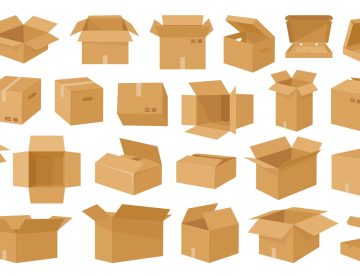
Ordering custom cardboard boxes is an exciting step for any growing business. It usually means generic stock cartons are no longer meeting operational needs and the company is ready for packaging designed specifically for its products. The mistake is that many businesses arrive at that stage already thinking about box dimensions, printing, and finishes, when the most important part of the project has not even been discussed yet.
The best custom packaging projects rarely start with the question, “What size box do we need?” They start with understanding how the business actually works. How are products sold? How are they packed? Who receives them? Where are they stored? Those answers often change the entire direction of the project, and they regularly lead to solutions that customers had not considered before walking through the door.
Many Businesses Design Around Products Instead Of Orders
One business that contacted us was preparing to launch a new line of gourmet sauces through its online store. Before discussing cardboard grades or printing options, we asked a simple question: how do customers usually buy these products? The owner assumed the obvious starting point was designing a custom box for a single bottle because that was the product they manufactured.
After reviewing recent sales, a different picture emerged. Individual bottles were available, but most customers actually purchased gift bundles or mixed assortments containing three, four, or six bottles. Designing packaging around one bottle would have forced warehouse staff to combine several individual boxes inside larger shipping cartons for the majority of orders. The company would have ended up buying more packaging materials, spending more time packing each shipment, and managing more inventory than necessary.
Instead, the project was redesigned around the way customers actually placed orders. The business still received packaging tailored to its products, but the real improvement came from matching the packaging to purchasing behaviour rather than to a single item sitting on a table. Looking at sales patterns before designing the first box prevented a problem that would have affected every order leaving the warehouse.
The Packaging Process Starts Long Before Shipping
Another misconception is that a custom box only needs to perform well once it leaves the building. Shipping is important, but it’s only one part of the box’s working life. Before reaching a truck, every carton has already been delivered by the manufacturer, stored flat, moved around the warehouse, assembled, filled, sealed, and prepared for pickup. If any of those steps become unnecessarily difficult, employees repeat that inefficiency hundreds or thousands of times throughout the year.
We worked with a manufacturer that initially requested one oversized custom box because they wanted a single solution capable of handling almost every product they sold. It sounded practical until we visited their operation and watched employees prepare orders. The larger cartons occupied considerably more storage space, required more material to assemble, and slowed packing because staff constantly adjusted the contents to prevent products from moving around inside.
Rather than simply producing the box they requested, we reviewed how packaging moved through their facility from the moment flat cartons arrived until finished orders were loaded for delivery. That conversation led to a smaller family of standardized box sizes that occupied less warehouse space, reduced unnecessary handling, and simplified packing without making inventory more complicated. None of those improvements were related to freight damage. They came from understanding everything that happened before shipping even began.
The Most Valuable Conversations Often Have Nothing To Do With Cardboard
By the time businesses ask for a quotation, they often believe they’ve already solved the important decisions. In our experience, that’s usually when the most useful part of the project begins. Good packaging isn’t created by choosing a stronger board or adding custom printing. It comes from asking questions that reveal how the business operates today and where it’s heading next.
Some of the questions that regularly reshape a project include:
- Will your product line grow over the next few years? A box designed around today’s catalogue may become limiting much sooner than expected.
- Do different customers order the same products in different ways? Wholesale, retail, and e-commerce orders often benefit from different packaging strategies even when the products are identical.
- How much warehouse space can realistically be dedicated to packaging? Ordering more box sizes is not always the most efficient solution if storage is already limited.
- Which packaging decisions create extra work every day? Small frustrations repeated hundreds of times often cost more than businesses realize.
These conversations frequently change the final recommendation because they shift the focus away from the box itself and toward the business using it.
The First Production Run Is Not The Time To Discover Problems
Many businesses spend weeks discussing dimensions, materials, and artwork, assuming the project is ready once the specifications are approved. In reality, some of the most valuable lessons only appear when people start assembling boxes, packing products, and preparing actual orders.
We remember working with a company launching a premium candle collection that planned to have tissue paper, protective inserts, promotional cards, and multiple fragrance options inside every box. Everything looked excellent on paper. Once we walked through the packing process with them, it became obvious that employees needed to perform too many separate steps for every order. As sales increased, that extra time would quickly become a bottleneck.
Instead of simply producing the original design, we adjusted the insert layout and simplified how the contents fit together. None of those changes affected the customer’s experience after opening the package, but they made the packing process significantly faster and more consistent. Looking beyond the box itself and thinking about the people assembling hundreds of orders every week prevented a small design decision from becoming a daily operational problem.
Custom Cardboard Boxes
At Racer Boxes, we work closely with businesses across British Columbia to understand how their products move through the entire operation before recommending a packaging solution. Whether you’re ordering custom cardboard boxes for the first time or replacing a system that no longer supports your growth, our team can help you develop packaging that improves efficiency, supports your brand, and continues adding value long after the first shipment leaves your facility. Click here to get in touch.
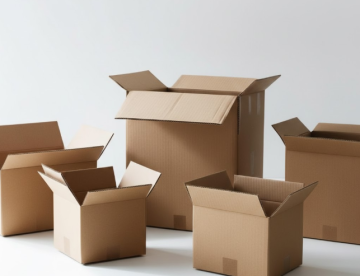
For many businesses in Richmond, BC, custom packaging boxes are an essential part of product presentation, protection, and branding. Whether you operate an eCommerce store, retail business, or manufacturing unit, understanding the average cost of custom packaging boxes can help you plan budgets more effectively.
Rather than having one fixed price, box manufacturing companies usually calculate costs based on several variables. Below is a breakdown of what typically influences pricing and what Richmond businesses can expect on average.
Read More:- https://racerboxes.com/blog/price-of-printing-vs-stickers-shipping-boxes-vancouver-bc-canada/
Average Cost Range for Custom Packaging Boxes
As a general industry practice, custom packaging boxes typically cost more than stock boxes because they are made to specific size, design, and branding requirements.
On average, box manufacturing companies may charge:
- Lower range for simple, unprinted custom boxes ordered in bulk
- Mid-range pricing for printed boxes with standard materials
- Higher average costs for premium finishes, thicker materials, or small order quantities
The per-box cost usually decreases as order volume increases, which is why businesses often see better averages when ordering in larger quantities.
Key Factors That Affect Custom Packaging Costs
1. Material Selection
The type of material plays a major role in determining cost:
- Corrugated cardboard is commonly used for shipping and is generally cost-efficient.
- Paperboard or folding cartons are lighter and often used for retail packaging.
- Rigid or specialty boards increase durability and presentation but raise average costs.
Thicker materials and multi-layer corrugation usually increase manufacturing costs.
2. Box Size & Structure
Larger boxes require more raw material, which increases cost. Custom structures such as:
- die-cut windows
- custom inserts
- partitions or inner trays
add to the overall average price due to extra design and production steps.
3. Printing & Design
Custom packaging often includes branding, which impacts pricing:
- Plain or single-color printing keeps costs lower
- Full-color printing raises average manufacturing costs
- Finishes like matte, gloss, or soft-touch coatings increase the per-box average
The more complex the artwork and finishing, the higher the production cost.
4. Order Quantity
Box manufacturers typically offer volume-based pricing:
- Small quantities = higher cost per box
- Medium to large quantities = lower average per-unit cost
Setup costs such as cutting dies and printing plates are spread across more units in bulk orders, reducing the average price.
5. Richmond, BC Location Considerations
Richmond’s proximity to major ports and transportation hubs can help control logistics and freight costs. Local manufacturing or nearby suppliers often reduce shipping expenses compared to sourcing packaging from distant regions, which helps stabilize average costs for Richmond-based businesses.
What Should Richmond Businesses Budget For?
Rather than focusing on an exact number, businesses in Richmond should budget based on:
- packaging purpose (shipping vs retail display),
- branding requirements,
- expected order volume,
- and long-term packaging needs.
Most companies find that the “average cost” sits comfortably between basic packaging and premium custom solutions, depending on how many features are included.
Need Help Understanding Your Custom Packaging Costs?
If you’re planning custom packaging for your products in Richmond, BC, understanding how materials, design, and quantity affect cost can help you make informed decisions.
Racer Boxes works with businesses to explain packaging options, cost factors, and production considerations-helping you choose packaging that aligns with your operational needs.
Contact us to discuss your packaging requirements and learn more about how custom packaging costs are calculated.
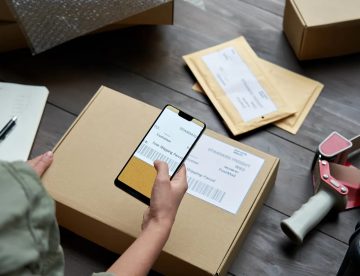
Drop Shipping Custom Packaging for Your Products In the competitive world of eCommerce, standing out is crucial. While dropshipping offers a streamlined way to sell products without managing inventory, incorporating custom packaging can significantly enhance your brand’s identity and customer experience. Custom box packaging for dropshipping not only differentiates your products but also adds a…
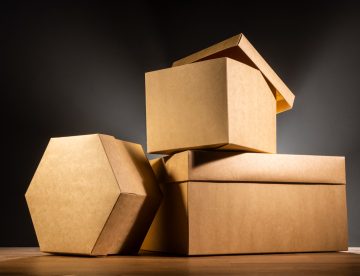
Finding the right box size for your products can make a big difference in packaging efficiency and customer satisfaction. Using boxes that fit your product perfectly helps protect items during transit and reduces the need for excess materials. This is especially important for e-commerce businesses where packaging plays a crucial role in the brand experience….
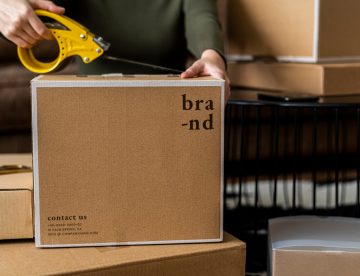
Custom printed boxes can play a vital role in making your brand more visible in Metro Vancouver. These boxes serve as a canvas for creativity, allowing your brand to shine with unique designs and messages. By choosing a look that resonates with your target audience, you invite them to engage with your brand on a…