

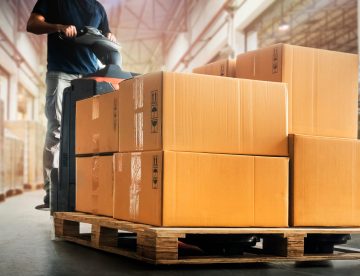
Businesses with fluctuating sales eventually face an awkward packaging question: should inventory be based on what they use during an ordinary month or on what they might need during their busiest period? Neither number tells the whole story. An average can conceal major fluctuations, while the highest month can encourage a company to hold far more packaging than it normally needs.
For businesses ordering boxes in Vancouver, a more useful approach begins with understanding how packaging demand behaves throughout the year. That means looking beyond a single monthly figure and examining when boxes are consumed, which formats account for that consumption, and how much certainty exists around upcoming demand.
That distinction matters because replacing the current box with something heavier is not automatically the right solution. At Racer Boxes, we prefer to investigate where the failure occurs, what the box contains, and what happens to it between packing and arrival. The damaged carton itself can often tell us much more than a list of specifications.
Boxes Orders Need More Than A Monthly Average
Suppose a specialty food business uses 60,000 boxes annually. Dividing that number by twelve produces an average of 5,000 boxes per month, which looks like a convenient basis for ordering. The problem appears when the actual records show 2,500 boxes used in February, 4,000 in June, and 11,000 in November. The average is mathematically correct, but there may not be a single month in which the business actually uses 5,000 boxes.
Looking at several months of consumption can reveal patterns that the annual total hides. Some businesses have predictable holiday peaks. Others experience increases when retailers place seasonal orders or particular products enter their busiest selling period. There may also be isolated spikes that should not influence future purchasing at all, such as a one-time corporate order.
Packaging consumption should also be measured directly rather than inferred from revenue. A business can increase sales because customers are placing larger orders, which may mean fewer boxes are required per dollar earned. Another company may begin receiving more small e-commerce orders and suddenly consume far more shipping cartons without a comparable jump in revenue. Historical box usage gives the purchasing team a much more relevant baseline.
Buying For The Busiest Month Can Leave You With Too Much
Once a company identifies its highest-volume month, it can be tempting to maintain enough packaging to cover that level throughout the year. This provides a sense of security, but the unused inventory has a physical and financial cost during quieter periods.
Corrugated boxes may arrive flat, yet a large supply still occupies warehouse space. If a business needs 10,000 cartons during the holiday rush but only 3,000 during an ordinary spring month, keeping peak-level inventory on hand throughout the year means finding room for thousands of boxes that are not currently generating any operational benefit. That space may otherwise be needed for finished products, ingredients, equipment, or faster-moving supplies.
Highly customized packaging creates an additional risk because excess stock may have limited alternative uses. Printed branding can change, products can be discontinued, dimensions can be revised, and promotional packaging can become irrelevant once a campaign ends. A lower unit price on a larger order loses much of its appeal if part of that inventory eventually has to be discarded. For specialized cartons, the expected useful life of the packaging deserves consideration alongside the purchase price.
Too Little Packaging Can Stop Finished Products From Leaving
Keeping inventory extremely lean solves the storage problem but creates a different vulnerability. A business can have products manufactured, employees available, and customer orders waiting while still being unable to complete fulfillment because the required boxes are gone.
Consider a company producing holiday gift sets. The products themselves are prepared well ahead of the season, but the sets require a specific carton that is not used elsewhere in the operation. If the promotion performs better than expected and that carton runs out, substituting another size may not be straightforward. The alternative box might not accommodate the contents correctly, could require different inserts, or may not provide the presentation promised to retailers.
A shortage can therefore interfere with packing schedules and committed delivery dates even when every other part of the business is functioning normally. This is particularly important for packaging that has few practical substitutes. A company may be able to temporarily replace a standard shipping carton with another suitable size, while running out of a custom printed box or unusual structure can leave far fewer options.
Every Box In Your Inventory Does Not Need The Same Strategy
The next step is to stop treating “packaging inventory” as one category. A company may use ten different boxes, but those ten formats can have completely different consumption patterns and consequences if they run out.
It helps to evaluate them separately:
- High-turnover standard boxes: These may serve several products and leave the warehouse continuously. Because usage is frequent, even a modest change in daily order volume can significantly affect how quickly inventory disappears.
- Seasonal boxes: Demand is concentrated around a defined period. Previous seasons can provide useful consumption data, but leftover packaging may have limited value once that selling window closes.
- Product-specific custom boxes: These depend heavily on the performance of one product. Large quantities deserve more caution when that SKU is new, frequently updated, or approaching the end of its lifecycle.
- Boxes shared by several product lines: Consumption can rise unexpectedly because multiple products draw from the same packaging inventory. Tracking only the sales of one SKU can therefore give a misleading impression of how long the remaining cartons will last.
Occasionally used specialty boxes: These may remain in storage much longer than the company’s everyday cartons. The convenience of having a large reserve needs to be weighed against how slowly that inventory actually moves.
This approach can produce very different purchasing decisions within the same business. A versatile carton used every day may justify a comfortable reserve, while a highly specific promotional box may warrant a much tighter quantity even if both come from the same supplier.
Confirmed Demand Deserves More Weight Than Possible Demand
Historical consumption tells a business what has happened, but upcoming packaging orders also need to account for what is already known about the months ahead. The important distinction is that not every forecast carries the same degree of certainty.
Suppose a business has confirmed wholesale purchase orders that will require 4,000 cartons next quarter. It is also launching an advertising campaign expected to generate another 3,000 shipments. Treating the combined 7,000 as guaranteed demand ignores the difference between products customers have already committed to buying and sales the company hopes the campaign will produce.
The same principle applies to seasonal forecasts. Three years of consistent holiday sales provide more evidence than the projected demand for a product being launched for the first time. An established retailer with a regular ordering pattern provides more certainty than a prospective account that has requested pricing but has not submitted an order.
Businesses can use those differences when deciding how much packaging they are comfortable committing to. Confirmed orders establish requirements that can be planned with relatively high confidence, while forecasts can be considered according to the evidence behind them. Instead of choosing between an “average month” and a “busiest month,” purchasing decisions can reflect what the company already knows and what it is still estimating.
Plan Your Boxes in Vancouver Order With Racer Boxes
If your business uses packaging at very different rates throughout the year, Racer Boxes can help you look at the numbers that matter before your next order. Bring us your box usage, seasonal requirements, product-specific needs, and upcoming commitments, and we can discuss packaging quantities that fit the way your operation actually works. Contact us and let us help you plan your next box order around real demand rather than a single monthly number.
When businesses think about first impressions, they usually focus on their website, advertising, or the product itself. In reality, many people make assumptions about a company before they ever reach those things. A retailer opening a wholesale delivery, a purchasing manager reviewing a sample order, or a customer receiving an online purchase has already started forming an opinion the moment the box is in front of them.
That first impression isn’t created by expensive printing or elaborate graphics. It’s created by whether the packaging feels intentional. Does the box fit the product? Does it look like it was designed for the shipment, or simply chosen because it happened to be available? Does opening it feel organized, or does everything seem improvised? Those details shape expectations, and once expectations are established, they influence how the product itself is perceived.
Packaging Shows How Well A Business Knows Its Own Products
One of the strongest messages a cardboard box sends has nothing to do with branding. It tells people whether the business appears to understand its own products. Companies that package items thoughtfully usually create confidence because every part of the shipment seems to have been considered before it ever left the warehouse.
We worked with a business that manufactures handcrafted kitchen accessories. As their catalogue expanded, they continued shipping every order in just two stock box sizes. Smaller products required large amounts of void fill, while larger orders were packed extremely tightly. The products always arrived safely, but customers frequently unpacked shipments that felt inconsistent. Some boxes looked half empty, while others were difficult to open because everything had been compressed into the smallest carton possible.
Instead of redesigning the products or investing in elaborate packaging, the company introduced a handful of box sizes based on how customers actually purchased their products. Multi-item gift orders received different packaging than single-product orders, and wholesale shipments were designed separately from e-commerce deliveries. The packaging immediately felt more deliberate because it reflected an understanding of the products rather than a one-size-fits-all approach.
Packaging Also Reveals Who The Business Thinks About
A box is rarely opened by only one person. Depending on the type of business, it may pass through warehouse teams, transportation companies, receiving departments, retail employees, and finally the customer. Businesses that only think about the last person in that chain often miss opportunities to make everyone else’s job easier.
A local supplier of specialty gardening products discovered this after expanding into independent garden centres across British Columbia. Their products sold well, but retailers mentioned that receiving deliveries took longer than shipments from other suppliers. The problem had nothing to do with damaged products or weak cardboard. Every shipment required employees to open multiple cartons because products were mixed together without a consistent packing system. Similar items were split between boxes, and exterior markings provided very little information about what was inside.
The company eventually redesigned its packaging around the receiving process instead of the shipping process. Products destined for the same department were packed together, exterior printing became much clearer, and box sizes were standardized to match store shelving and storage practices. Retailers immediately noticed the difference because receiving inventory became faster and far more predictable. The cardboard itself had not changed dramatically, but the company demonstrated that it understood how its customers actually worked.
The Details Customers Remember Are Usually The Ones Nobody Planned
Businesses often spend months choosing colours, logos, and marketing messages while overlooking the small packaging details that customers experience directly. Those practical moments are often what people remember because they happen during every single delivery.
Some of the details that quietly influence how a business is perceived include:
- Whether the box feels appropriately sized for the order. Customers quickly notice when a small product arrives surrounded by unnecessary empty space, just as they notice when a shipment looks carefully planned from the start.
- Whether every order follows the same standard. Receiving similar products in completely different packaging from one shipment to the next can make a business appear less organized than it actually is.
- Whether important information is easy to find. Clear product identification helps warehouse staff, retailers, and customers without requiring them to search through labels or open multiple cartons.
- Whether the package is easy to handle. Boxes that stack securely, open cleanly, and move efficiently create a better experience for everyone who handles them, even if they never consciously think about the packaging itself.
These are not expensive upgrades or marketing tricks. They are operational decisions that become visible the moment someone interacts with the box, influencing how organized, dependable, and established the business appears.
Packaging Influences Future Buying Decisions
The impression your packaging creates does not disappear once the box has been opened. It often shapes how confidently customers place their next order, especially in B2B relationships where buyers compare multiple suppliers over time. When every shipment arrives looking organized, consistent, and easy to process, customers begin to expect that same level of consistency from the rest of the business.
A purchasing manager rarely chooses a supplier because of the cardboard box alone, but packaging can absolutely reinforce the reasons they continue buying from that supplier. Imagine two companies offering products of similar quality and comparable pricing. One delivers shipments that are consistently well organized, with products packed logically and cartons that are easy to identify and store. The other delivers products that require extra sorting, unnecessary handling, or additional time before they can be stocked. Over dozens of deliveries throughout the year, those small differences become part of the customer’s overall experience.
This is one reason packaging should be viewed as part of customer retention rather than simply a shipping expense. Every shipment is another opportunity to demonstrate reliability, reduce friction for the people receiving the order, and reinforce the confidence that customers already have in your business. While they may never mention the box directly, they often remember which suppliers consistently made their job easier, and that memory can influence purchasing decisions long after the shipment has been unpacked.
Boxes In Vancouver
At Racer Boxes, we help businesses in Vancouver develop corrugated packaging that reflects the way they operate today, not the way they operated years ago. Whether you’re supplying retailers, growing your e-commerce business, or expanding into new markets, we can design custom box solutions that protect your products while creating a stronger first impression from the moment every shipment arrives. If you need a free estimate, please get in touch with us by clicking here.
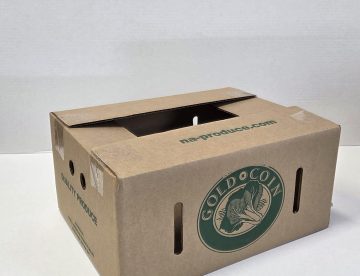
Every seasonal business thinks the difficult part will be demand. Then peak season arrives and the real problem becomes cardboard boxes. Not because there are no boxes, but because the wrong ones are in the wrong place, the correct ones are buried behind overflow inventory, and the warehouse suddenly feels half its original size even though nothing physically changed.
You see this constantly in seasonal industries around British Columbia. Blueberry farms in Langley experience it during harvest season. Garden centers run into it every spring. Holiday gift companies in Richmond and Burnaby discover it every November when promotional orders spike all at once. The businesses that struggle are rarely the ones with the least inventory. Usually, they are the ones that treat packaging like background inventory instead of something that actively shapes workflow.
Why Seasonal Businesses End Up Drowning in Their Own Packaging
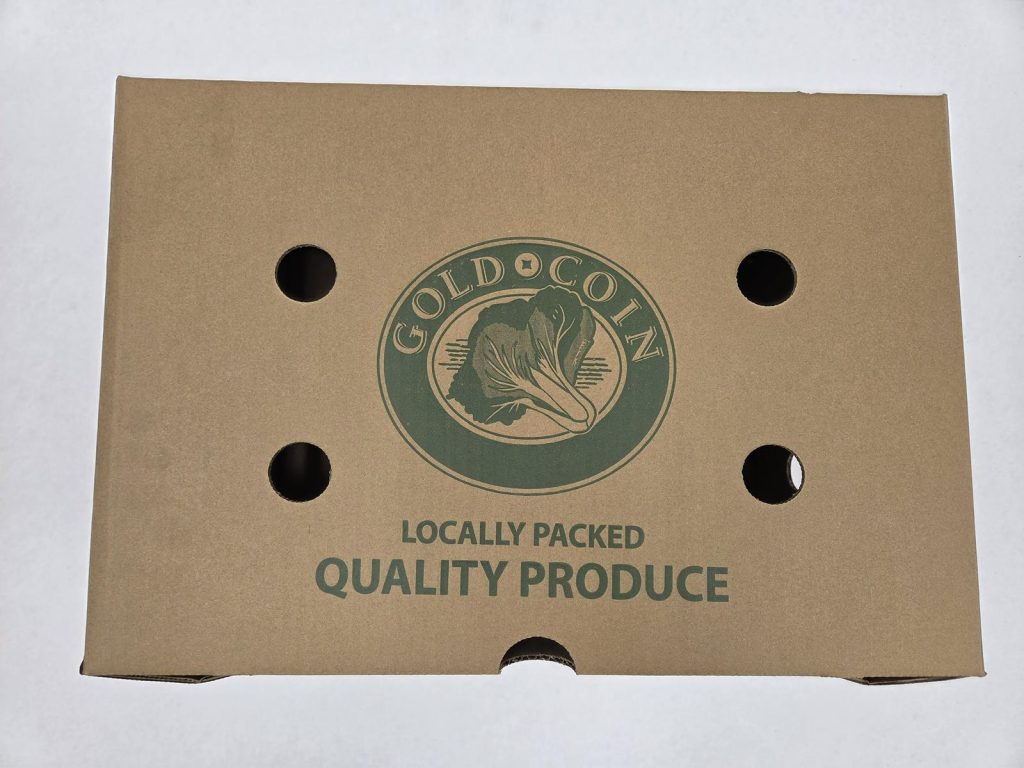
One of the most common problems appears when businesses order packaging too early without thinking about how long those cardboard boxes will physically occupy the warehouse. A blueberry farm may place a large produce box order in April to avoid shortages during July harvest. At first, this looks smart. Then crop timing shifts slightly, inventory arrives later than expected, and suddenly thousands of flat-packed produce cartons are taking over staging space for months before peak season even starts.
The opposite mistake is just as damaging. We have seen seasonal food businesses wait too long because they wanted to “stay flexible,” only to start improvising halfway through peak season. The correct cardboard boxes run out faster than forecasted, so the warehouse begins using substitute sizes temporarily. That temporary solution quickly spreads through the operation. Packing stations slow down because products no longer fit cleanly. Pallets stop stacking evenly because the replacement cartons compress differently under weight. Shipping costs quietly increase because oversized cardboard boxes create wasted trailer space during the busiest weeks of the year.
The frustrating part is that these issues usually begin with decisions that felt reasonable at the time. Nobody intentionally creates a chaotic packaging system. It happens gradually because seasonal businesses tend to solve packaging problems reactively instead of structurally.
The Real Problem Usually Starts Around Week Three
The first week of peak season rarely exposes operational weaknesses. Most teams are still organized, inventory is still where it belongs, and temporary workarounds still feel manageable. Problems usually start appearing later, once the warehouse has been operating under pressure continuously.
This is where packaging systems quietly begin collapsing. Workers stop reorganizing inventory because speed matters more than structure. Overflow cardboard boxes start occupying loading areas because nobody has time to relocate them properly. Similar-looking SKUs get mixed together because replenishment happens too quickly to maintain organization. By the third or fourth week, the warehouse often feels heavier and slower even though everyone inside it is working harder.
A holiday gift packaging company can feel this very quickly during November rushes. One extra emergency box size gets introduced because a supplier shortage forced a last-minute adjustment. Then another gets added for a rush order. Within days, packing teams are surrounded by multiple cartons that look nearly identical when stacked flat. Workers constantly pause to verify dimensions before packing because grabbing the wrong cardboard box creates repacking later. Those pauses seem insignificant individually. Across thousands of shipments, they quietly destroy packing efficiency.
The same thing happens with pallet stability. A produce operation may switch to substitute cartons during harvest because the original produce boxes sold faster than expected. The replacement boxes technically fit the product, but stack slightly differently. Suddenly pallets require more manual adjustment during loading, forklifts move more cautiously, and workers start compensating for instability all day without explicitly discussing it.
The Packaging Habits That Usually Create Seasonal Chaos
A few patterns tend to appear repeatedly in seasonal operations once packaging pressure starts building:
- Keeping too many cardboard box sizes that are only slightly different from one another;
- Storing the highest-volume packaging SKUs in hard-to-access warehouse areas;
- Ordering emergency substitute cartons without testing how they stack or palletize;
- Maximizing storage density so aggressively that replenishment becomes slow during busy weeks;
- Carrying leftover seasonal packaging from previous years that consumes valuable operational space;
- Using oversized cardboard boxes temporarily and then never fully switching back afterward.
These decisions rarely feel serious individually. The problem is how quickly they accumulate once order volume accelerates. Seasonal warehouses usually do not become inefficient because of one catastrophic mistake. They become inefficient because dozens of small packaging compromises begin interacting with each other simultaneously.
What Experienced Seasonal Operations Usually Do Differently
Businesses that handle seasonal growth well tend to simplify aggressively before the rush begins. Instead of adding packaging options reactively every year, they reduce unnecessary variation and focus on predictability. They understand that during peak season, operational speed depends heavily on reducing hesitation.
This usually means consolidating cardboard box sizes wherever possible, separating high-frequency packaging from backup inventory, and organizing replenishment around movement speed rather than storage density alone. One of the biggest differences between efficient seasonal warehouses and chaotic ones is how easily workers can access the packaging they touch most frequently.
We have seen garden centers improve spring operations simply by relocating their highest-volume cardboard boxes closer to packing stations instead of maximizing warehouse density. Technically, they stored fewer cartons in the same footprint afterward. Operationally, the warehouse moved faster because workers stopped wasting time navigating around secondary inventory every few minutes.
Another useful approach is stress-testing packaging systems before the season actually begins. Strong operators do not just evaluate whether a cardboard box fits the product. They test how quickly pallets can be replenished, how substitute sizes affect stacking behavior, and how packaging flows through the warehouse once multiple teams are moving simultaneously. Those problems are much cheaper to solve in advance than in the middle of a seasonal rush.
Boxes in Vancouver
Seasonal pressure exposes packaging weaknesses faster than almost any other operational challenge. Racer Boxes works with businesses across British Columbia to create cardboard box solutions designed for real warehouse conditions, helping seasonal operations improve organization, replenishment speed, and shipping consistency during high-volume periods. If your busiest season keeps creating the same packaging problems year after year, our team can help you build a packaging system that performs more predictably under real pressure. Get in touch with us!

Blueberry season in Canada is an exciting time for growers and sellers. But one crucial element often overlooked is packaging. The right blueberry packaging not only protects your fruit but can also elevate your brand, attract customers, and even contribute to sustainability goals. Here’s how to choose the perfect packaging solution for your blueberry business….
In today’s competitive market, the success of a product goes beyond its quality—it also hinges on its presentation. Product packaging plays a vital role as more than just a container; it serves as a marketing asset, a protective layer, and a direct link between your brand and the customer. Whether you’re launching a new item…