


Reordering custom cardboard boxes may seem like a simple purchasing task. Your business already has an established design, we have the specifications on file, and the previous order provides a convenient reference. However, several months may have passed since those boxes were produced, and the information behind the original order may no longer reflect your current requirements.
At Racer Boxes, we know that consistency matters when businesses depend on custom packaging for regular shipments. So, before placing another order with a wholesale box company, it is worth checking whether the original design is still appropriate, whether the previous batch revealed any problems, and whether the new purchase is being submitted with accurate information.
Wholesale Box Company: Has The Product Changed Since Your Last Order?
A custom cardboard box is designed around a specific product configuration, including its dimensions, weight, and the arrangement of its contents. Even when the product name remains unchanged, modifications introduced during manufacturing can affect whether the original packaging is still suitable.
Consider a Vancouver food manufacturer that uses custom cartons for six glass jars. The company changes container suppliers, and the replacement jars have slightly wider lids. Although the capacity remains identical, the existing cardboard dividers were designed around the original containers. The new lids now press against the dividers, creating a fit problem that was not present during the previous production run.
Weight changes introduce a different consideration. A manufacturer might replace lightweight plastic components with metal alternatives or increase the number of units included in a package. The existing carton may still accommodate the product, but the additional load could affect the board specification required to support it during handling and transportation.
These changes are easy to overlook when product development and packaging purchasing are managed separately. Comparing the current product configuration with the original box specifications, preferably using an actual product sample when necessary, allows the manufacturer to assess whether the carton still meets its intended requirements.
Check That Your Printed Artwork Is Still Accurate
A repeat order of printed custom boxes requires attention to information that may have changed independently of the physical packaging. Product descriptions, branding, barcodes, and retailer-specific details can all be revised while the carton dimensions remain exactly the same.
For example, a cosmetics manufacturer may update the ingredient information printed on its packaging after changing a product formulation. The marketing department approves revised artwork, but the purchasing team submits a repeat order using the reference from the previous production run. If the updated file is not supplied, the manufacturer could reproduce the earlier information on thousands of new cartons.
Businesses with several product variations face another potential complication. Two cartons may share almost identical graphics while carrying different barcodes or product identifiers. A purchasing employee reviewing the artwork visually might not notice that the code belongs to another SKU, particularly when the difference is limited to a small printed area.
A dependable artwork approval process uses an identifiable revision number or approval date rather than relying on filenames such as “final” or “latest.” It should also distinguish between a file approved for design purposes and the actual production-ready artwork. This matters when the packaging includes elements such as dielines, bleed areas, and print positioning that need to correspond to the manufacturer’s specifications.
What Did The Previous Batch Reveal During Everyday Use?
A box can meet its approved specifications and still create unnecessary difficulties during daily operations. Employees working directly with the packaging often notice these problems long before purchasing teams become aware of them, especially when the difficulties are small enough that production continues without a formal complaint.
Imagine a fulfillment facility where employees assemble several hundred custom cartons each shift. One particular box requires workers to hold a flap in position while securing the closure. The additional movement takes only a few seconds, but it occurs every time the carton is assembled. Over a large production run, that small inconvenience becomes a recurring source of lost packing time.
Before reordering, businesses can collect observations from the teams that handle their packaging:
- Assembly efficiency: Do employees consistently struggle with folding sequences, aligning flaps, or securing closures? Identifying the exact movement that causes difficulty can help determine whether the carton structure is unnecessarily complicated for the packing process.
- Equipment interruptions: Have boxes caused recurring feeding, folding, or sealing problems on automated or semi-automated machinery? Recording which stage experiences interruptions helps distinguish packaging-related difficulties from equipment adjustments or maintenance issues.
- Material waste: How many cartons are discarded before products are packed because they tear, fold incorrectly, or become unusable during assembly? Tracking this waste separately from product damage can reveal a cost that does not appear in the original box price.
- Warehouse handling: Are employees reporting damaged corners, crushed panels, or closures opening during normal movement? The location and circumstances of repeated damage can provide useful evidence about how the cartons perform after leaving the packing station.
- Customer complaints: Have recipients reported recurring difficulties opening the packaging or receiving damaged cartons? Feedback from the destination can reveal performance issues that are not apparent during packing or internal warehouse handling.
The information collected should be specific enough to support an investigation. Photographs of recurring damage, records of packing-line interruptions, or samples of unusable cartons are more useful than general comments about packaging quality. These observations give the manufacturer evidence to examine rather than leaving the discussion dependent on assumptions.
Verify The Purchase Order Before It Reaches Production
Once the packaging specifications have been confirmed, the next step is making sure the purchasing documentation identifies exactly what the business intends to receive. This becomes particularly important when a company orders several custom cartons that look similar but serve different purposes.
A business might have two shipping boxes with identical dimensions but different board grades. One is intended for lightweight merchandise, while the other carries heavier products. If the purchasing department refers to both as the “large shipping carton,” an order based on that description alone may not identify the correct version. Using the manufacturer’s specific item reference helps prevent this type of confusion.
Several other details deserve attention before the order is submitted. Quantities should be expressed in clearly defined units, particularly when internal systems track packaging by individual carton, bundle, or pallet. Requested delivery dates should reflect when the business actually needs the packaging, while receiving instructions should account for warehouse appointments, unloading arrangements, or changes in delivery location.
Businesses should also verify that the quoted terms correspond to the current order rather than assuming that every condition from the previous purchase still applies. A different quantity, production requirement, or delivery arrangement may affect the commercial details. Confirming those terms before approval helps purchasing teams avoid discrepancies between what they expected and what was ordered.
Keep Production Revisions Traceable
When a repeat order includes an approved modification, the business should be able to distinguish the new production version from earlier batches. This becomes particularly valuable when the company still has older cartons in inventory or when multiple production runs are being used at the same time.
Suppose a manufacturer removes a promotional message from its standard shipping carton. The revised boxes begin arriving while several pallets of the previous version remain in the warehouse. Both versions are physically interchangeable, but the older cartons may no longer be appropriate for shipments after the promotion ends. Identifying the production revision allows warehouse staff to distinguish the two without relying on visual inspections of every bundle.
Traceability also matters when investigating a problem discovered after delivery. If a customer reports that cartons from a particular shipment are tearing along the same fold, the business needs to identify which production batch supplied those boxes. Records connecting the relevant box specification, approved revision, and manufacturing order can help narrow the investigation to the affected production run.
For businesses that reorder frequently, this information becomes especially useful when employees change roles or purchasing responsibilities are transferred. A documented production history preserves the details needed to identify earlier batches and understand exactly which packaging version was supplied, without depending on someone’s recollection of an order placed months before.
Wholesale Box Company in Vancouver
Preparing another order of custom cardboard boxes? Share your previous packaging specifications with Racer Boxes and tell us about any changes or concerns that could affect the next production run. Our Vancouver-area team can help you review the requirements, discuss appropriate adjustments, and prepare your next order with the attention your packaging deserves. Contact us to work with a wholesale box company that understands the importance of dependable repeat orders.

As a business expands into multiple locations, packaging purchasing often expands with it almost by accident. A second warehouse starts ordering the boxes it needs, a retail location develops its own list of supplies, and a distribution facility establishes relationships based on its particular operation. Eventually, the company may be buying similar boxes from several sources without having deliberately decided that decentralized purchasing is the best approach.
Working with a wholesale box company gives a multi-location business an opportunity to examine packaging at a company-wide level instead. That does not necessarily mean every location should use identical boxes or that every order needs to originate from one person. The more useful question is which packaging decisions should be shared across the organization and which genuinely need to remain local.
Wholesale Box Company: What The Boxes Locations Have In Common
Before changing who orders what, it is useful to understand how much overlap already exists. Two warehouses may describe their packaging differently while purchasing cartons with nearly identical dimensions and specifications. One location might call something its “medium shipper” while another records it according to an internal product code, making the duplication difficult to spot in purchasing reports.
This becomes especially common when locations were opened at different times or acquired as the company grew. Each facility develops its own habits, and packaging specifications accumulate independently. A business can end up maintaining several cartons that perform essentially the same job simply because nobody has compared them side by side.
Identifying genuine overlap can reduce unnecessary variation without forcing every facility into the same packaging system. If three locations regularly use the same RSC for comparable shipments, there may be little reason to maintain three separate specifications. A specialty carton used for equipment assembled at only one facility, however, has a clear reason to remain unique. The goal is to distinguish operational differences from differences that exist only because purchasing evolved separately.
Independent Ordering Can Hide The Company’s Real Buying Volume
When each location purchases boxes independently, every order can look smaller than the business’s actual packaging demand. A warehouse ordering 4,000 cartons may negotiate and plan around 4,000 units even if three other company locations are buying the same carton throughout the year. Viewed separately, those purchases do not show the full scale of the organization’s consumption.
This matters when discussing wholesale packaging because combined demand can change the conversation with a manufacturer. Knowing that several facilities collectively use a substantial quantity of the same box provides a clearer picture of recurring requirements than looking at isolated purchase orders. It can also make it easier to plan production around established company-wide usage rather than treating every location as an unrelated customer.
A regional food distributor provides a good example. Imagine that its Vancouver warehouse and two satellite facilities independently reorder the same shipping carton whenever stock becomes low. None of the individual orders appears particularly large. Once the purchasing records are compared, however, the company discovers that the three facilities collectively use tens of thousands of those cartons each year. The important discovery is not simply that the business “buys a lot of boxes.” It is that fragmented purchasing had prevented the company from seeing the volume attached to one specific packaging format.
Centralized Specifications Do Not Require Identical Orders
Standardizing a box and centralizing every purchasing decision are two different things. A multi-location business can establish an approved specification for a frequently used carton while allowing individual facilities to order quantities according to their own consumption.
That distinction matters because locations rarely operate at exactly the same pace. A main distribution centre may consume a standard carton every day, while a smaller branch uses the same box only a few times each week. Requiring both locations to order identical quantities on identical schedules would replace one inefficiency with another.
A practical multi-location system can therefore define what needs to remain consistent while preserving flexibility where operations genuinely differ. Depending on the business, that may include:
- Box specifications: Shared dimensions, flute, board requirements, printing, and other agreed details can prevent locations from gradually purchasing different versions of what should be the same carton.
- Approved packaging formats: A common catalogue can show which boxes already exist within the organization, reducing the chance that one facility creates a new format when a suitable option is already being used elsewhere.
- Location-specific quantities: Each facility can base quantities on its own rate of consumption rather than receiving an arbitrary share of a company-wide purchase.
- Reordering responsibility: The business can decide whether individual locations submit their requirements, whether a central purchasing team coordinates orders, or whether responsibilities differ according to the type of packaging.
- Exceptions: Specialized products, equipment, packing processes, or customer requirements may justify a unique box at one facility. Recording the reason for the exception keeps necessary variation from becoming uncontrolled variation.
This separates specification control from day-to-day inventory management. The company gains consistency where consistency has value without pretending that every warehouse, store, or production facility has the same packaging requirements.
Local Operations Can Still Require Different Boxes
Once common packaging has been identified, the remaining differences deserve closer attention rather than automatic elimination. A location’s product mix can fundamentally change what its boxes need to do. A facility shipping lightweight consumer goods does not necessarily need the same range of cartons as another branch handling heavier industrial components, even when both operate under the same company name.
The packing process itself can also create legitimate differences. One facility may assemble mixed-product e-commerce orders at individual packing stations, while another primarily prepares full cases for wholesale customers. Their shipping volumes could be similar while their box-size requirements are completely different because products move through the facilities differently.
Customer requirements can introduce another layer. One branch may serve retailers that require specific case quantities or printed information, while another ships directly to consumers. In that situation, forcing both operations into a single box simply to reduce the number of packaging SKUs could create problems elsewhere in the supply chain. Standardization is useful when it removes unnecessary duplication, not when it erases a functional difference.
Packaging Data Should Be Visible Beyond A Single Location
Once a business has decided which boxes are shared and which need to remain location-specific, it can begin tracking packaging in a way that reflects the entire organization. This is where multi-location purchasing can provide information that individual reorder decisions cannot.
For example, one warehouse may report that a particular carton is suddenly being consumed much faster than usual. If purchasing information is visible across locations, the company can determine whether the increase is isolated or appearing elsewhere as well. A company-wide increase could indicate a change in product demand, while a spike at one facility might point to a new customer, a different packing pattern, or another local change worth investigating.
The same visibility can help when the business opens another location. Instead of allowing the new facility to build its packaging list from scratch, the company already knows which cartons are widely used, which are tied to particular operations, and where exceptions exist. Packaging becomes part of the infrastructure that can be carried into expansion rather than something every new branch has to reinvent.
Talk To Racer Boxes About Multi-Location Wholesale Packaging
If different parts of your business are currently ordering boxes independently, you do not have to decide between leaving everything separate and forcing every facility into one system. Racer Boxes can look at the packaging your locations are using, identify where specifications overlap, and discuss which requirements genuinely need to remain different. Contact our team to talk about working with a wholesale box company that can approach your packaging needs across the business rather than treating each purchase order in isolation.
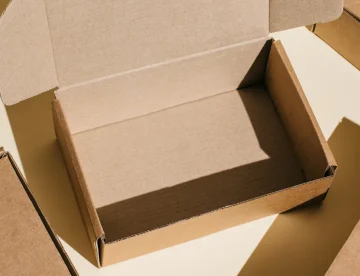
Langley, BC has become an important hub for manufacturing, distribution, and e-commerce businesses in the Lower Mainland. As companies continue to ship products locally and internationally, the demand for durable and efficient packaging solutions has grown significantly. One of the most commonly used packaging formats is folding corrugated boxes, which are lightweight, cost-effective, and easy to store and assemble.
Businesses across industries-such as retail, food distribution, logistics, agriculture, and e-commerce-rely on folding corrugated boxes for secure product packaging and transportation. If you are sourcing packaging locally, choosing the right manufacturer can help reduce shipping costs, improve packaging efficiency, and ensure product safety.
Below is a list of five folding corrugated box manufacturers in Langley, BC that businesses commonly consider when sourcing packaging solutions.
Top 5 Folding Corrugated Box Manufacturers in Langley
1. Racer Boxes
Racer Boxes is a Langley-based packaging manufacturer that focuses on supplying durable folding corrugated boxes for businesses across multiple industries. The company provides custom packaging solutions designed to meet the specific shipping and storage needs of manufacturers, retailers, and e-commerce companies.
Their folding corrugated boxes are designed for efficient storage and quick assembly, making them ideal for businesses with high-volume packaging operations. Racer Boxes also offers customization options such as branded printing, custom dimensions, and specialized packaging formats.
With a strong focus on quality materials and efficient manufacturing, Racer Boxes has become a reliable packaging supplier for businesses looking for scalable and cost-effective solutions.
Key highlights
- Custom folding corrugated boxes
- Bulk manufacturing capabilities
- Custom printing and branding options
- Packaging solutions for shipping and storage
2. Great Little Box Company
Great Little Box Company is one of the most recognized packaging manufacturers in British Columbia. The company produces a wide range of packaging products, including folding corrugated boxes used by retail brands, product manufacturers, and distribution companies.
Their packaging solutions often focus on branding, retail presentation, and large-scale production capabilities.
Key highlights
- Custom corrugated packaging
- Retail and branded packaging solutions
- Large production capacity
3. West Coast Packaging
West Coast Packaging supplies corrugated shipping boxes and packaging materials for businesses involved in logistics, moving services, and general shipping. Their folding corrugated boxes are commonly used for shipping products safely and efficiently.
They primarily focus on practical packaging solutions designed for transportation and storage.
Key highlights
- Corrugated shipping boxes
- Bulk packaging supply
- Packaging for moving and logistics companies
4. Langley Box & Packaging
Langley Box & Packaging serves businesses across the Langley region by providing corrugated boxes and packaging materials for local distribution and manufacturing operations.
Their folding corrugated boxes are typically used by small to medium-sized businesses that require reliable packaging for product shipments.
Key highlights
- Regional packaging supplier
- Custom box sizing
- Packaging for local businesses
5. Cascades Packaging
Cascades Packaging is known for producing environmentally responsible packaging solutions. Their folding corrugated boxes are often made using recycled materials and sustainable production practices.
The company serves larger distribution networks and industrial clients across Canada.
Key highlights
- Sustainable packaging materials
- Large-scale manufacturing
- Corrugated packaging for industrial supply chains
Comparison of Folding Corrugated Box Manufacturers in Langley
Manufacturer | Custom Sizes | Printing Options | Bulk Orders | Ideal For | Key Strength |
Racer Boxes | ✔ Yes | ✔ Yes | ✔ Yes | E-commerce, manufacturing, logistics | Custom packaging solutions |
Great Little Box Company | ✔ Yes | ✔ Yes | ✔ Yes | Retail brands, product packaging | Large-scale packaging manufacturer |
West Coast Packaging | ✔ Yes | Limited | ✔ Yes | Shipping and moving businesses | Cost-effective packaging |
Langley Box & Packaging | ✔ Yes | Limited | ✔ Yes | Local distribution businesses | Regional packaging supplier |
Cascades Packaging | ✔ Yes | ✔ Yes | ✔ Yes | Industrial and large distribution | Sustainable packaging solutions |
Why Folding Corrugated Boxes Are Popular for Businesses
Folding corrugated boxes remain one of the most widely used packaging formats because of their versatility and efficiency. Businesses choose them for several reasons:
Space-efficient storage
Boxes are delivered flat and can be stored easily in warehouses.
Durability
Corrugated materials provide strength and protection during shipping.
Cost-effective packaging
Bulk manufacturing reduces overall packaging costs.
Customizable design
Businesses can create boxes tailored to their product sizes and branding requirements.
For businesses that regularly ship products, working with a reliable local box manufacturer in Langley can help improve supply chain efficiency and reduce packaging delays.
Need Folding Corrugated Boxes in Langley?
If your business is looking for a reliable supplier of folding corrugated boxes in Langley, BC, the team at Racer Boxes can help. We manufacture high-quality corrugated packaging designed for shipping, storage, and product protection.
Whether you need custom box sizes, branded packaging, or bulk manufacturing, our team works with businesses across industries to deliver durable and cost-effective packaging solutions.
Contact Racer Boxes today to discuss your packaging requirements and get a custom quote for folding corrugated boxes tailored to your business needs.
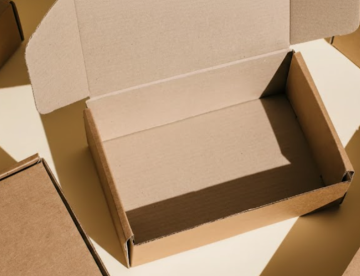
For businesses operating in Vancouver, packaging is more than just a logistical necessity-it’s a cost factor, an operational decision, and part of the supply chain that directly impacts efficiency. Whether you run an eCommerce store, a retail shop, a moving company, or a warehouse, choosing between retail packaging and wholesale boxes can significantly affect your bottom line.
Below are seven key reasons why businesses increasingly prefer wholesale boxes in Vancouver over retail options, especially when working with a local box manufacturer in Vancouver.
1. Lower Cost Per Box for Vancouver-Based Businesses
One of the most practical reasons to buy wholesale boxes in Vancouver is the reduced cost per unit. Retail packaging is typically priced for small, one-off purchases, whereas wholesale pricing is designed for volume use.
For businesses that ship regularly across Vancouver, BC, wholesale purchasing helps:
- Reduce per-shipment packaging costs
- Maintain predictable packaging expenses
- Improve long-term budgeting and cash flow
Over time, even small savings per box can add up significantly for high-volume operations.
2. Consistent Supply for Shipping Boxes in Vancouver, BC
Retail packaging often depends on store inventory, which can fluctuate due to demand or seasonal shortages. Wholesale suppliers, especially a local box manufacturer in Vancouver, typically maintain consistent stock levels.
This reliability is crucial for businesses that:
- Ship daily or weekly
- Operate fulfillment or distribution centers
- Handle seasonal order spikes
A steady supply of shipping boxes in Vancouver, BC helps avoid delays, last-minute substitutions, or disruptions in operations.
3. Access to Standardized Box Sizes and Specifications
Wholesale packaging providers focus on standardized box dimensions that align with common shipping and storage requirements. This makes warehouse stacking, palletizing, and shipping more efficient.
Benefits include:
- Better use of storage space
- Reduced need for excessive void fill
- Easier integration with shipping carriers’ size guidelines
Retail boxes often vary in size and quality, while wholesale boxes are designed for consistency.
4. Custom Boxes Designed for Business Use
Unlike retail packaging, wholesale suppliers often provide custom boxes in Vancouver tailored to business needs. Custom sizing helps reduce wasted space and improve shipping efficiency.
Custom boxes can be useful for:
- Products with unique dimensions
- Subscription boxes
- Fragile or high-value goods
Working directly with a box manufacturer in Vancouver allows businesses to choose materials, dimensions, and strength ratings that suit their products without unnecessary excess.
5. Improved Packaging Durability and Performance
Wholesale boxes are generally manufactured to meet commercial shipping requirements. This includes stronger corrugated materials, consistent wall thickness, and better performance during transport.
For companies shipping across Metro Vancouver or beyond:
- Fewer damaged goods
- Reduced returns and replacements
- Better protection during handling and transit
Retail boxes may not always be designed for repeated or long-distance shipping.
6. Operational Efficiency for Growing Vancouver Businesses
Buying wholesale packaging simplifies procurement. Instead of frequent retail purchases, businesses can order in bulk and maintain inventory levels based on usage patterns.
Operational advantages include:
- Less time spent sourcing boxes
- Fewer emergency packaging purchases
- Streamlined inventory management
This is especially valuable for businesses scaling operations or expanding shipping volumes in Vancouver, BC.
7. Reduced Environmental Impact Through Bulk Purchasing
Buying wholesale boxes can also support sustainability efforts. Bulk purchasing often means:
- Less packaging waste from secondary retail packaging
- Better material efficiency through right-sized boxes
- Fewer transportation emissions due to consolidated deliveries
Many custom box suppliers in Vancouver also offer recyclable and responsibly sourced materials, aligning with the city’s broader environmental goals.
Wholesale Boxes vs. Retail Boxes: A Practical Comparison
Feature | Retail Boxes | Wholesale Boxes |
Cost per unit | Higher | Lower |
Supply consistency | Variable | Reliable |
Custom sizing | Rare | Available |
Durability | Mixed | Commercial-grade |
Best for | Occasional use | Ongoing business use |
Final Thoughts
For businesses that ship regularly, store inventory, or require dependable packaging, wholesale boxes offer clear advantages over retail alternatives. From cost efficiency to supply reliability, working with a local box manufacturer in Vancouver provides long-term operational benefits.
Contact Us – Racer Boxes
If you’d like more information about wholesale boxes in Vancouver, custom packaging options, or sourcing shipping boxes in Vancouver, BC, you can reach out to Racer Boxes for guidance.
Racer Boxes works with businesses across Vancouver to help them understand packaging options, box specifications, and wholesale purchasing considerations.
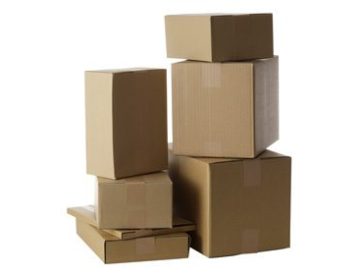
Running a business that involves packaging and shipping means you need reliable, durable, and affordable shipping materials. Whether you’re sending out eCommerce orders, retail products, or bulk shipments, having access to high-quality packaging supplies is crucial. If you’re wondering where to buy shipping materials in Richmond, this guide will help you make the right choice.
Why Choosing the Right Shipping Materials Matters
The quality of your shipping materials can make or break your customer’s first impression. Using the right boxes, tapes, and cushioning ensures that products arrive safely and professionally. Strong packaging also helps reduce product damage, saving time and money in returns or replacements.
When choosing your packaging supplier, look for one that offers:
- High-quality materials like corrugated boxes and sturdy cartons
- Bulk purchasing options for better cost savings
- Customizable packaging for branding
- Eco-friendly materials for sustainability
Types of Shipping Materials You May Need
Before buying, it’s important to understand what types of shipping materials you might require:
- Corrugated Boxes – Perfect for shipping heavy, fragile, or bulky items. They’re durable and recyclable.
- Mailers and Envelopes – Great for lightweight products, documents, or apparel.
- Packing Tape – Ensures your boxes stay securely closed during transit.
- Protective Filler – Includes bubble wrap, packing peanuts, and kraft paper for cushioning.
- Labels and Stickers – Help with identification, branding, and safe handling instructions.
By sourcing all of these from a trusted supplier in Richmond, you can streamline your packaging process and maintain consistent quality.
Best Place to Buy Shipping Materials in Richmond
If you’re located in Richmond, BC, you’re in luck — the city is home to several packaging suppliers. However, one company stands out for its quality, reliability, and customer service: Racer Boxes.
Racer Boxes is a leading box manufacturer and packaging supplier in Richmond, offering a wide range of shipping materials for businesses of all sizes. From standard corrugated boxes to fully customized packaging solutions, they deliver top-quality products that help protect your goods and enhance your brand image.
With a commitment to sustainability and fast service, Racer Boxes has become the go-to choice for eCommerce companies, retailers, and manufacturers across British Columbia.
Contact Racer Boxes for Shipping Materials in Richmond
Looking for a trusted supplier of shipping materials in Richmond?
Racer Boxes is your one-stop shop for all types of packaging products — including Regular Slotted Containers (RSC), custom mailer boxes, pizza boxes, and other corrugated packaging solutions.
Whether you need small quantities or bulk orders, Racer Boxes offers affordable pricing, custom sizing, and eco-friendly materials to suit your business needs.
Contact Racer Boxes today to request a quote or learn more about our products.